

- Stories/
- Newsletter/
- A new town, a cancer diagnosis and the nurse who became their lifeline
A new town, a cancer diagnosis and the nurse who became their lifeline
The phone call that changed everything.
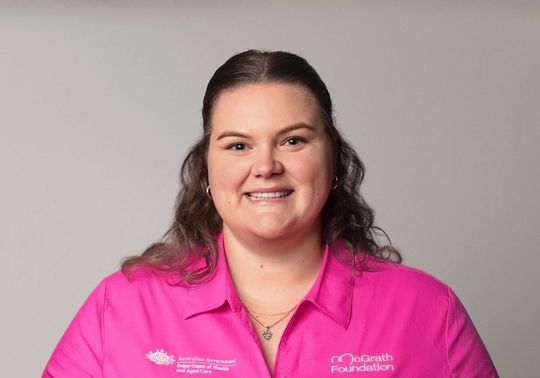
Rachel immediately recognised the warning signs. Calmly, she asked Yvonne to check Suzanne’s symptoms - to ask her to smile, raise her arms and respond to simple prompts. When Suzanne was unable to do any of these things, Rachel told Yvonne to hang up and call an ambulance immediately.
“I wasn’t sure if it was a reaction to chemo. A stroke was the last thing on my mind,” Yvonne said. “Rachel stayed so calm. There was no panic in her voice, but she knew exactly what needed to happen.”
Suzanne spent four days in hospital, and while her symptoms resolved before she left, the episode became one of the clearest examples of why Rachel’s support mattered so deeply to the couple.
“Yvonne was my biggest support, and Rachel was hers.”
A diagnosis in the middle of a sea change
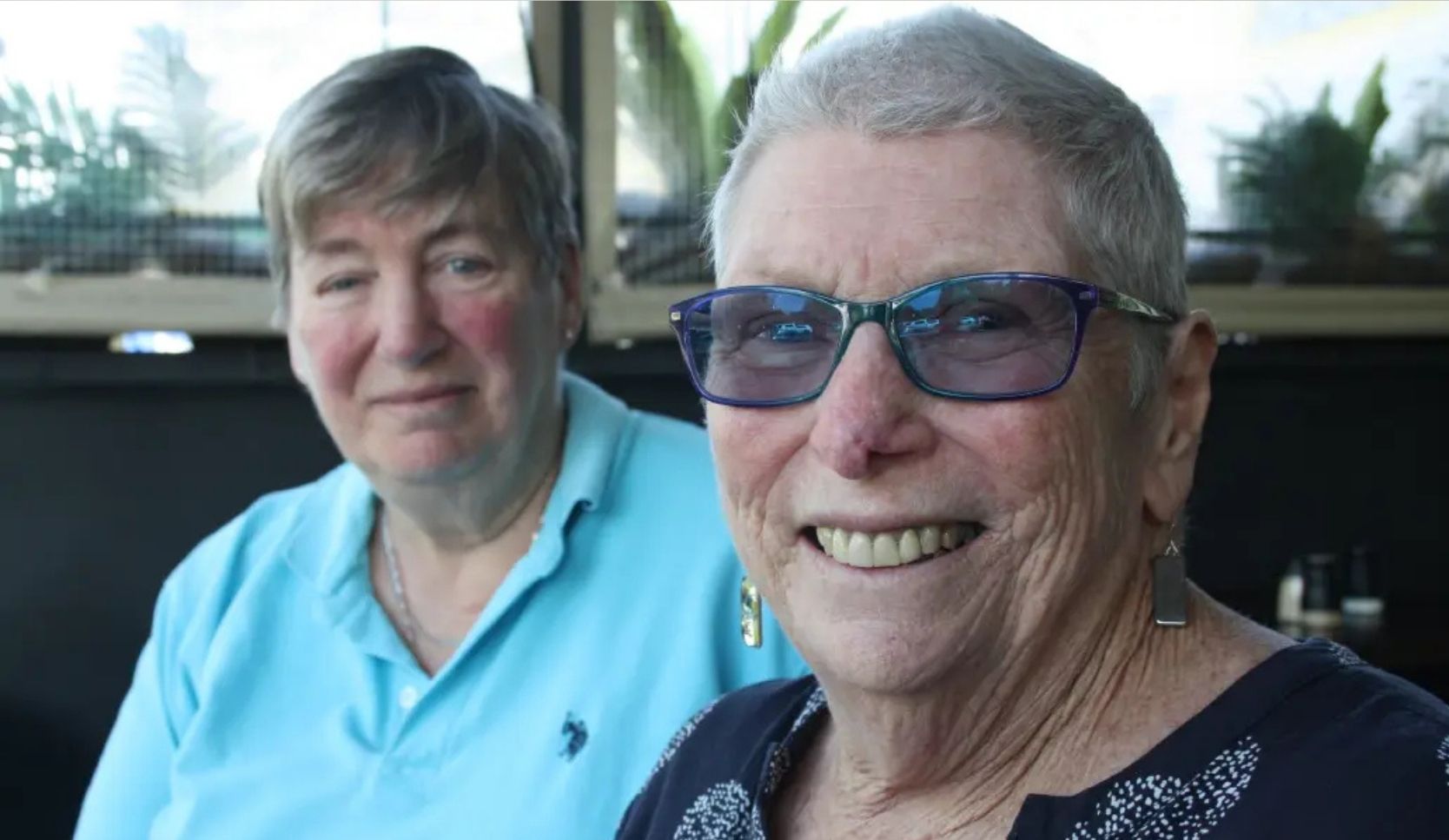
Only weeks earlier, Suzanne, 77, and Yvonne had arrived on the South Coast of NSW expecting a fresh start. After more than 20 years together, the couple had sold their home in regional Victoria and moved near Nowra to be closer to family. But while they were still settling into a community where they knew very few people, Suzanne’s world was turned upside down with a diagnosis of stage two Hodgkin’s lymphoma.
Suzanne’s diagnosis came as a complete shock. As she and Yvonne prepared to start their new chapter, Suzanne had been experiencing ongoing hip and back pain. Her doctor arranged an MRI so they could follow up once they settled in their new home. The scan revealed early-stage Hodgkin’s lymphoma around Suzanne’s pelvic area.
“You’ve been told you’ve got lymphoma and you’re moving to this whole new life, but you don’t know what the prognosis is likely to be,” Suzanne said. “It was a total shock.”
It was during these early appointments that Suzanne and Yvonne were introduced to Rachel, who quickly became a steady point of support as they navigated cancer treatment in an unfamiliar community.
Suzanne started chemotherapy in mid-January 2026, only weeks after the move. The first cycle was difficult. Her immune system dropped quickly, she developed RSV and colitis, and complications impacted her diabetes. Rachel was there to help coordinate Suzanne’s care, connecting her with an endocrinologist, working closely with the wider cancer care team, and ensuring neither Suzanne nor Yvonne felt they were navigating the challenges alone.
A lifeline in a new community
From the beginning, Rachel became a trusted source of support. She attended appointments with them, helped interpret complex information when chemotherapy brain fog made it hard for Suzanne to take everything in, and was always available to answer questions or follow up with the wider team.
Rachel’s support was practical as well as emotional. She helped Yvonne manage Suzanne’s diabetes during treatment and respond to side effects like neuropathy. “I was telling her about my neuropathy, and her simple answer was just to wear socks all the time,” Suzanne said. “It was so simple and so obvious, but it made such a difference. She could answer what felt like complex questions, but never made you feel silly for asking.”
Suzanne also knew how much Rachel’s support meant to Yvonne. During the hardest parts of treatment, when chemotherapy brain and exhaustion made it difficult for Suzanne to advocate for herself, Rachel became the person Yvonne could lean on.
“My biggest thing was knowing that Yvonne had support through all this,” Suzanne said. “Knowing Rachel was there helped me stay calmer, knowing Yvonne wasn’t left with unanswerable questions while I was out of it with treatment side effects. Especially in the first few cycles, we would have really struggled without Rachel.”
Care that carried them through
Rachel describes Suzanne and Yvonne as open, warm, and willing to do whatever was needed, which helped build trust quickly. That trust became essential during Suzanne’s most difficult moments, from navigating the first cycles of treatment through to recovering from the stroke.
For Rachel, being able to walk alongside people through their cancer experience is the heart of her role. “What I love most about my job is being there every step of the way,” she said. “Seeing the impact we’re able to have on people’s lives, you don’t get that in other jobs.”
Suzanne has now finished treatment and is doing well, though she continues to manage lingering side effects. Looking back, both Suzanne and Yvonne describe Rachel’s support as essential.
“Without Rachel, it would have been damn near impossible,” Yvonne said. “I don’t know how mentally we would have gotten through this whole process without her.”
Suzanne and Yvonne had arrived on the South Coast knowing very few people, unsure what treatment would involve or how they would manage so far from their old community. But through Rachel’s care, they never had to face cancer alone.
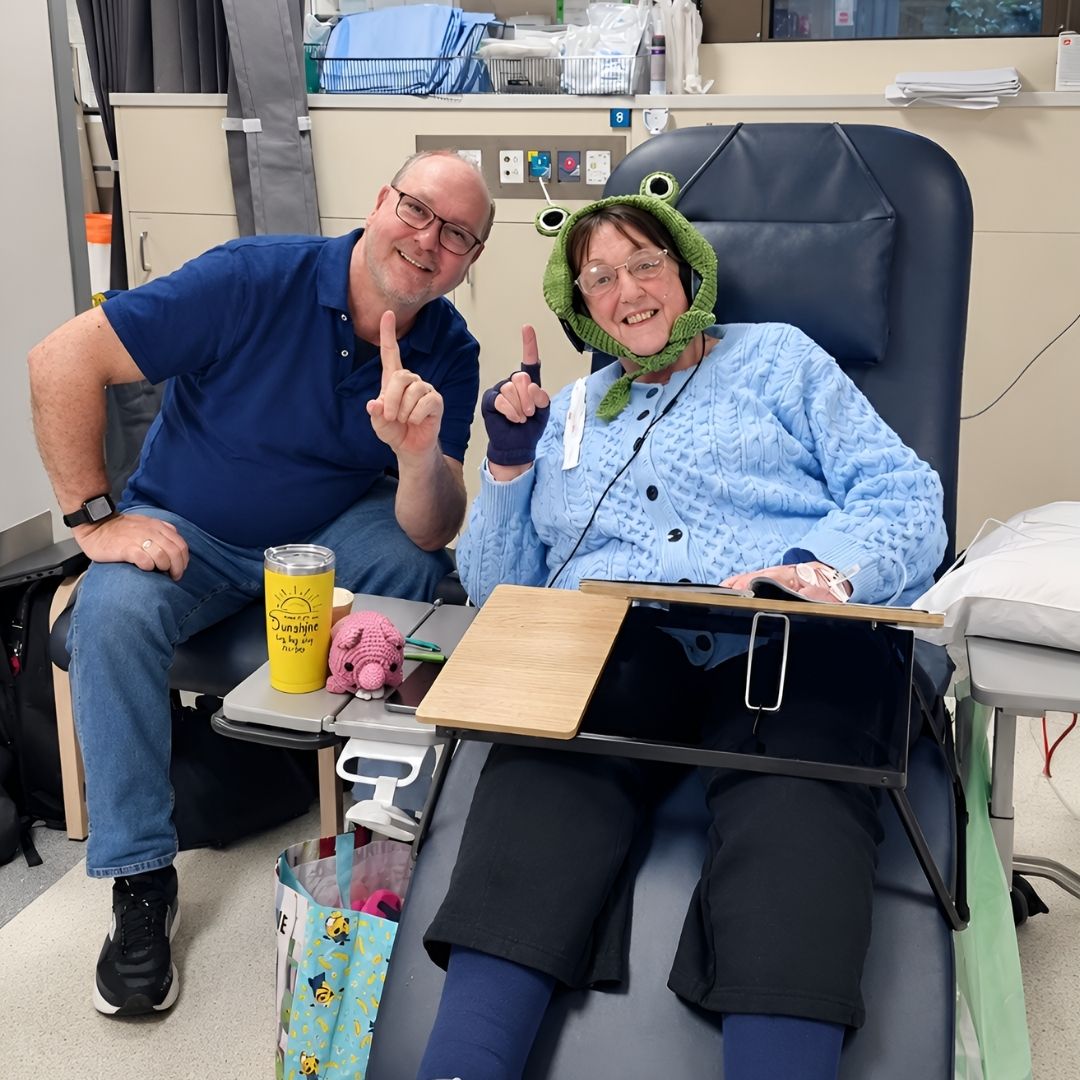
For more than five years, Justin supported the McGrath Foundation. Then his mum’s breast cancer diagnosis revealed just how life-changing expert cancer care can be.
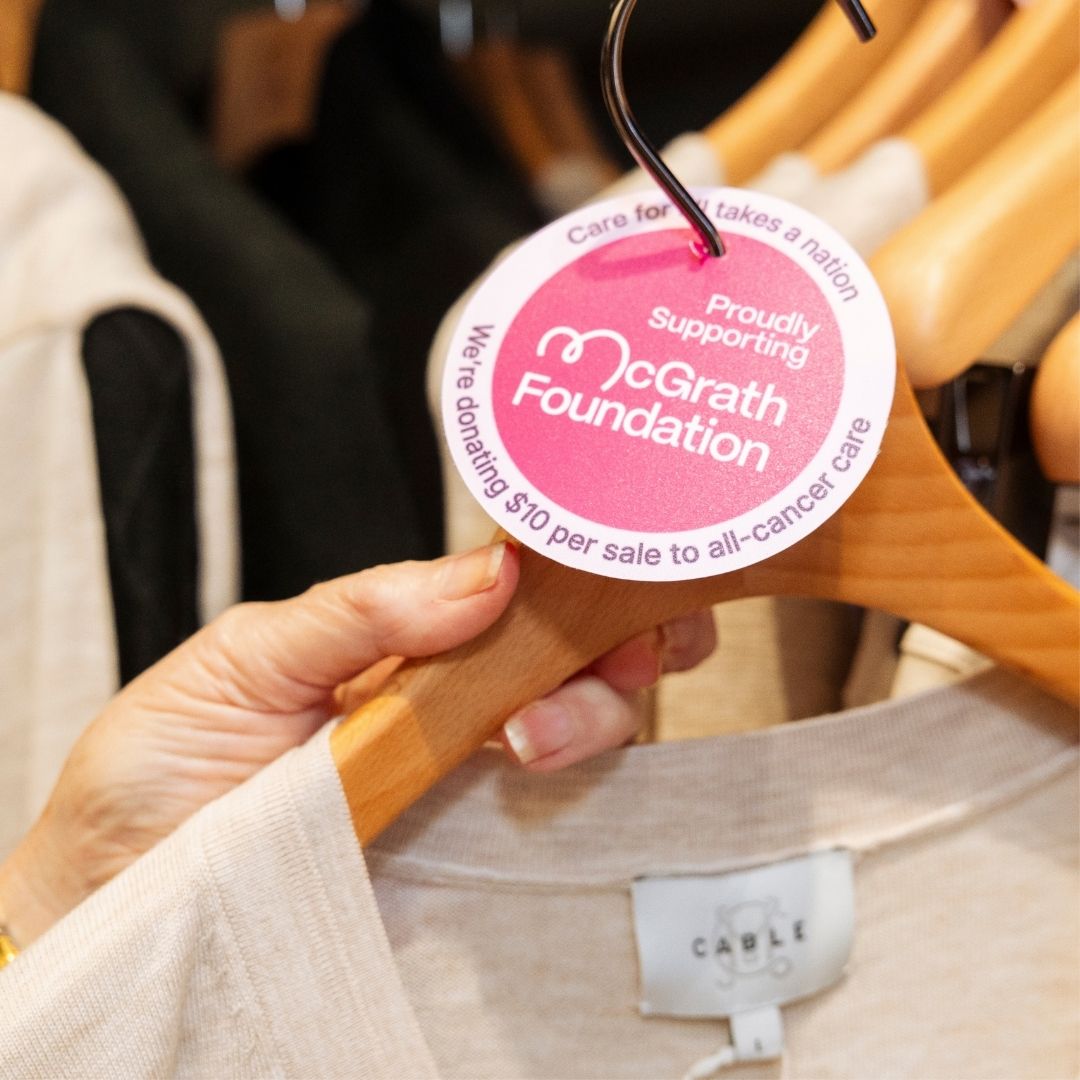
From everyday purchases to specialist care, partners like Nu-Pure, La Roche-Posay and Cable are helping more people access the support of a McGrath Cancer Care Nurse.
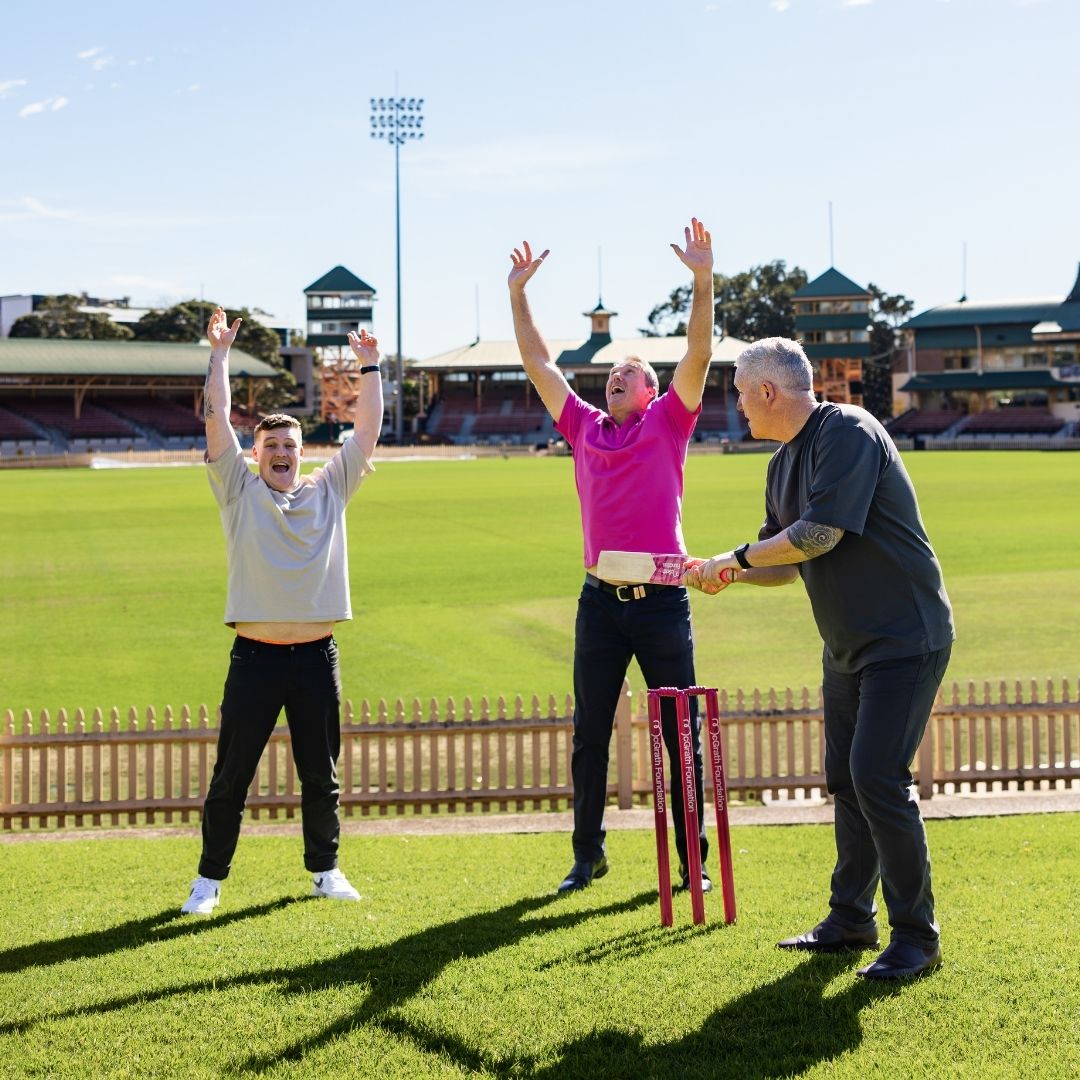
From local Pink Stumps Days to the NRMA Insurance Pink Test, cricket brings communities together every summer to help fund McGrath Cancer Care Nurses.
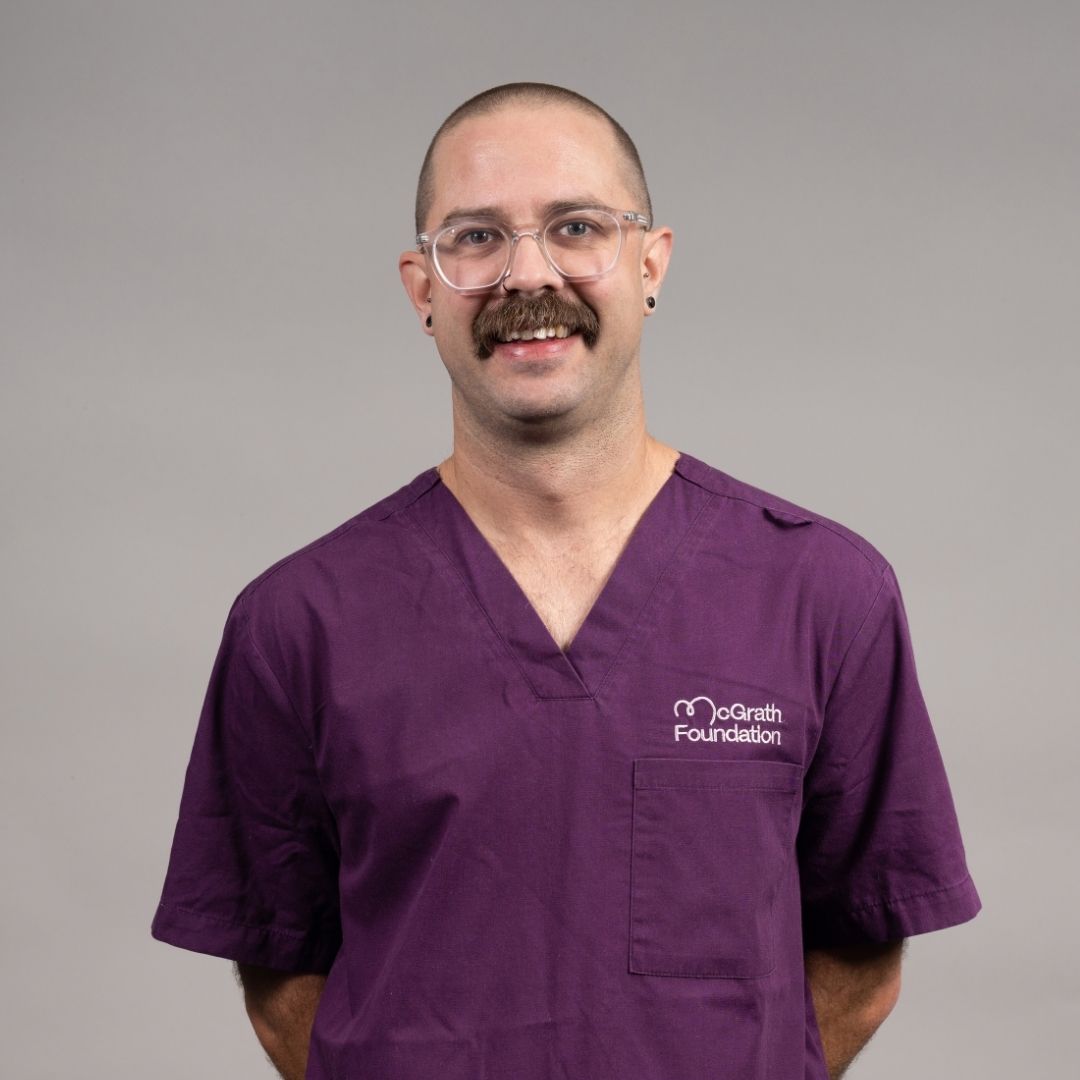
Meet Daniel, Dinah and Pauline, three of the 430 McGrath Cancer Care Nurses providing free, expert cancer care and support in communities across Australia.
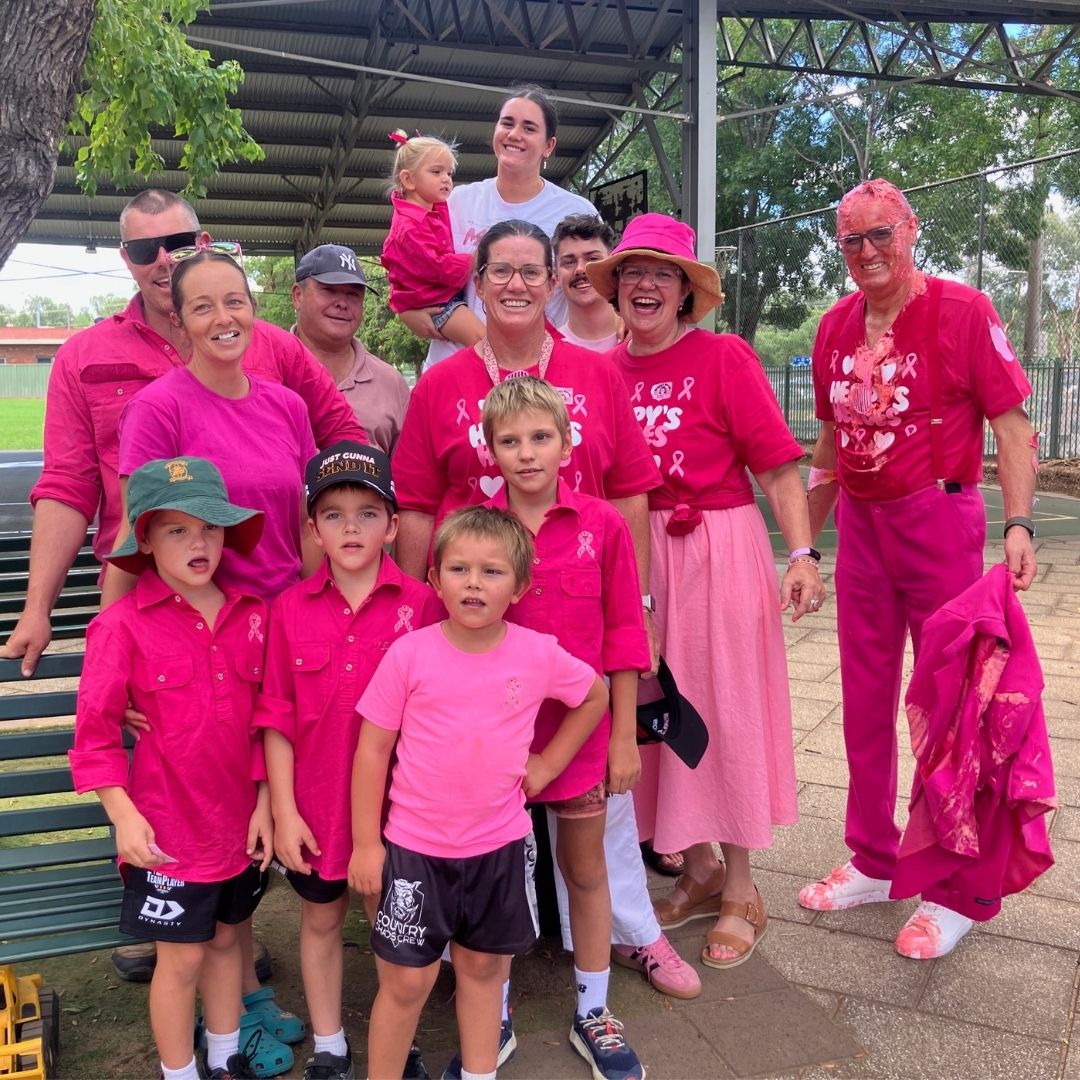
A principal turned pink, and the St Augustine Parish Primary School community rallied behind the cause, showing what’s possible when people come together for care and support.

When Dan’s cancer diagnosis left his family facing an overwhelming healthcare system, McGrath Cancer Care Nurse Kelly provided the expert support they needed.
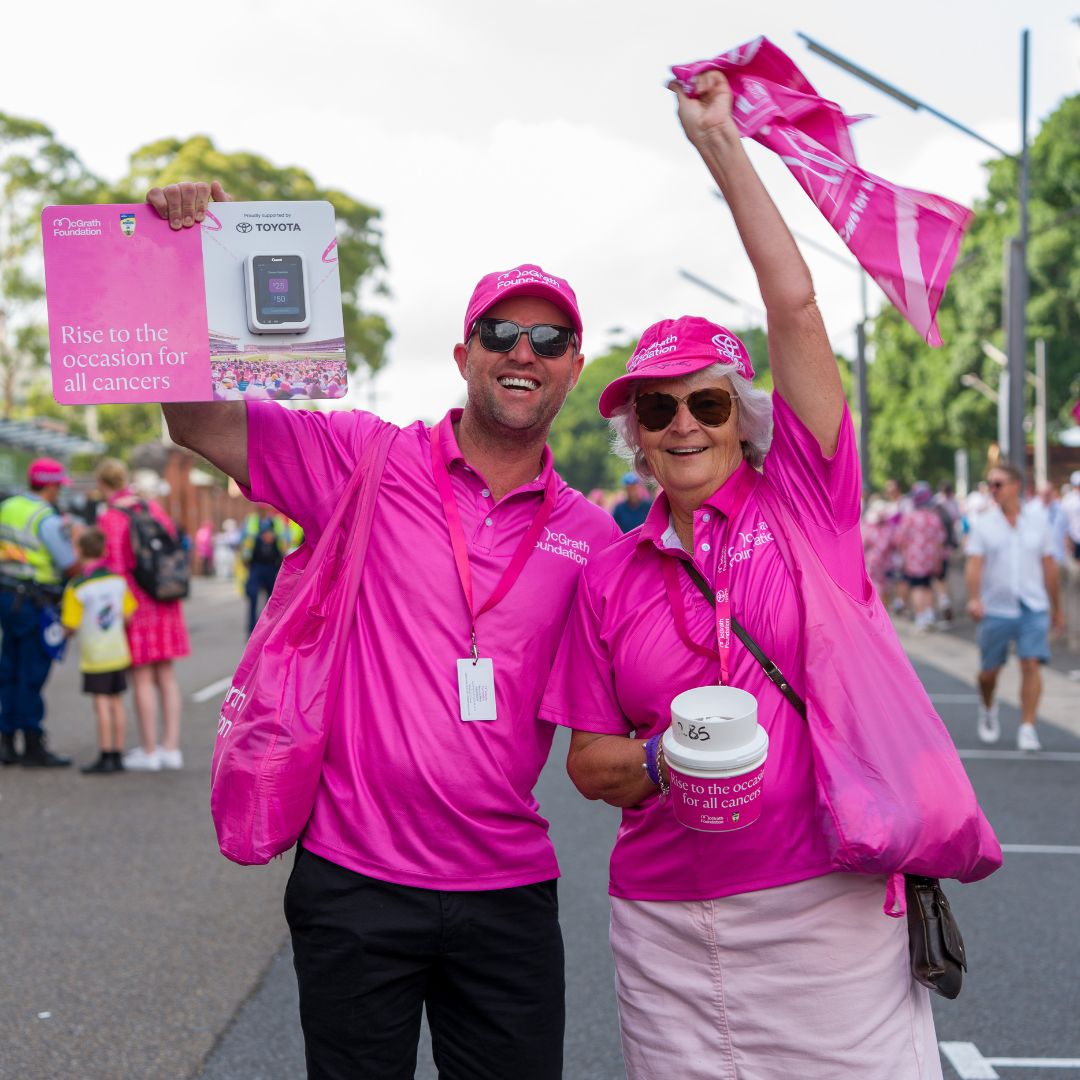
What started as a love of cricket became a day Aaron and Michelle will never forget. Discover how a mother-in-law and son-in-law duo found friendship, purpose and a deeper connection to the McGrath Foundation while volunteering with the Pink Army at the Pink Test.

Matt’s life changed in an instant. At 34, he was working in civil construction and raising a young family with his partner Kyra, life was busy but normal. Then one day, something didn’t feel right.

As a mum of three, Meg was used to being on the go, balancing family life with her work in disability support services. Then a strange tightness in her leg began to bother her.

Dan was always on the move. A devoted husband, father of two teenage girls and lifelong sports lover, he lived a busy, active life in Melbourne. So, when a routine run left him unusually short of breath, he knew something wasn’t right.

Kirby is used to caring for others. A registered nurse from Maitland, a mum to two young children, and someone who loves the outdoors, 37-year-old Kirby had built her life around caring for others and making the most of family time. Days were filled with work, camping trips, cricket, and the joyful chaos of raising her kids, Norah and Vance.

At just 24, Angelique’s life changed with a breast cancer diagnosis. With the support of her partner and her McGrath Cancer Care Nurse, she navigated treatment with resilience and a focus on what lay ahead.

When a routine blood test revealed multiple myeloma, Helen’s life changed unexpectedly. With the support of her McGrath Cancer Care Nurse and her family, she approached treatment with optimism and continues to live life fully.

At 45, Rachel’s life changed in a matter of weeks when a minor stomach issue led to a bowel cancer diagnosis. With the support of her McGrath Cancer Care Nurses, she is navigating treatment while staying connected to the life and family she loves.

For Simon, cricket has always been more than a game, it’s been a lifelong passion, a family tradition, and ultimately, a bridge to supporting a cause that means the world to him.
