

New online tool aims to support breast cancer survivors at risk of lymphoedema
For many people diagnosed with breast cancer, the risk of lymphoedema can come as a surprise; often appearing weeks, months or even years after treatment.
To help address this gap in support, researchers from Flinders University have developed LeaN On (Lymphoedema Navigation Online), a new evidence-based digital platform designed to help breast cancer survivors understand their risk of lymphoedema and learn practical ways to manage it.
Through a partnership with the McGrath Foundation, McGrath Cancer Care Nurses specialising in breast care across South Australia and the Northern Territory will help deliver and evaluate the nurse-supported model of care as part of the research project.
The online program guides users through a 12-step journey, providing clear, practical information about lymphoedema; including early signs to look out for, ways to reduce risk, and when to seek professional support.
Expanding support for people like Terese
For people living outside major cities, accessible tools like LeaN On could make a real difference.
That’s something Terese understands firsthand.
Terese lives in Mannum with her husband, a farmer. She works as a florist and had always lived an active, healthy life.
“When I went for my mammogram in July 2025, I didn’t think anything of it,” Terese says.
But after being called back for further tests, Terese was diagnosed with breast cancer.
“Within a week I’d seen the surgeon and had surgery,” she says. “Then they found cancer in the sentinel lymph nodes, so I had another surgery. Seven to ten nodes were infected.”
Treatment moved quickly from there, with chemotherapy followed by radiation.
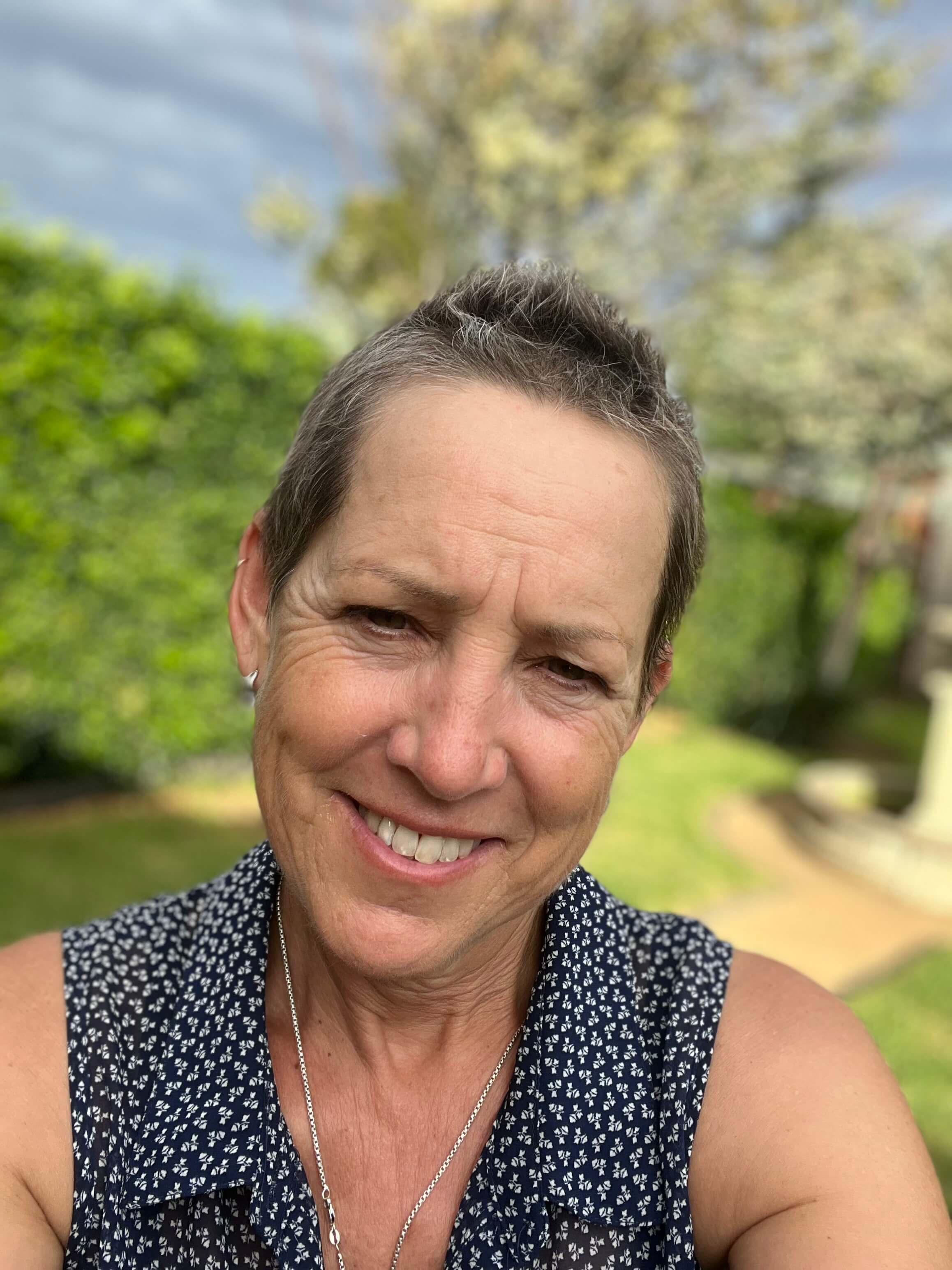
When lymphedema first showed up
While undergoing chemotherapy, Terese noticed something unusual in her arm.
“The first thing I felt was heaviness,” she says. “Then suddenly my arm was swollen.”
Terese called her McGrath Cancer Care Nurse, Annie Williams, who is based in Murray Bridge.
“She said, ‘Don’t panic,’” Terese recalls. “Annie has been a godsend.”
For Terese, Annie’s support helped her understand what was happening and how to manage it.
Annie helped monitor Terese’s arm, guide her through treatment options and teach her practical techniques like massage and compression.
“She helps check the fluid levels and makes sure I’m doing the right things,” Terese says. “It gives you confidence.”
Managing lymphoedema is challenging, particularly in a job that relies heavily on using her hands.
“As a florist I’m meant to wear a compression gauntlet,” Terese says. “But it’s nearly impossible to do that work while wearing it.”
Instead, Terese has learned to adapt.
“You pick and choose your days,” she says. “Some days you just push through and get to the end.”
“She helps check the fluid levels and makes sure I’m doing the right things, It gives you confidence.”
- Terese
The challenge of living in the country
Living in regional Australia can make managing cancer and its long-term effects more difficult.
“There isn’t really a central place you can go for lymphoedema support,” she says. “For many of us, Annie is that person.”
That’s why Terese believes tools like LeaN On could be incredibly valuable for people living outside major cities.
“When you live in the country, anything that means you don’t have to travel long distances helps,” she says.
“Having somewhere central to go for information – even online – would be amazing.”
Living well
When Terese was first diagnosed with lymphoedema, she struggled with the visible reminders of what she had been through.
“At first I was really angry about having to wear the armband,” she says. “It felt like a constant reminder that I’d had breast cancer.”
Over time, her perspective changed. Today, Terese focuses on enjoying life and staying active.
“For me, living well means enjoying life. Now more than ever I eat well and looking after myself. You learn the importance of treating yourself well and you start doing things more in the present.
“When you live in the country, anything that means you don’t have to travel long distances helps,”
- Terese
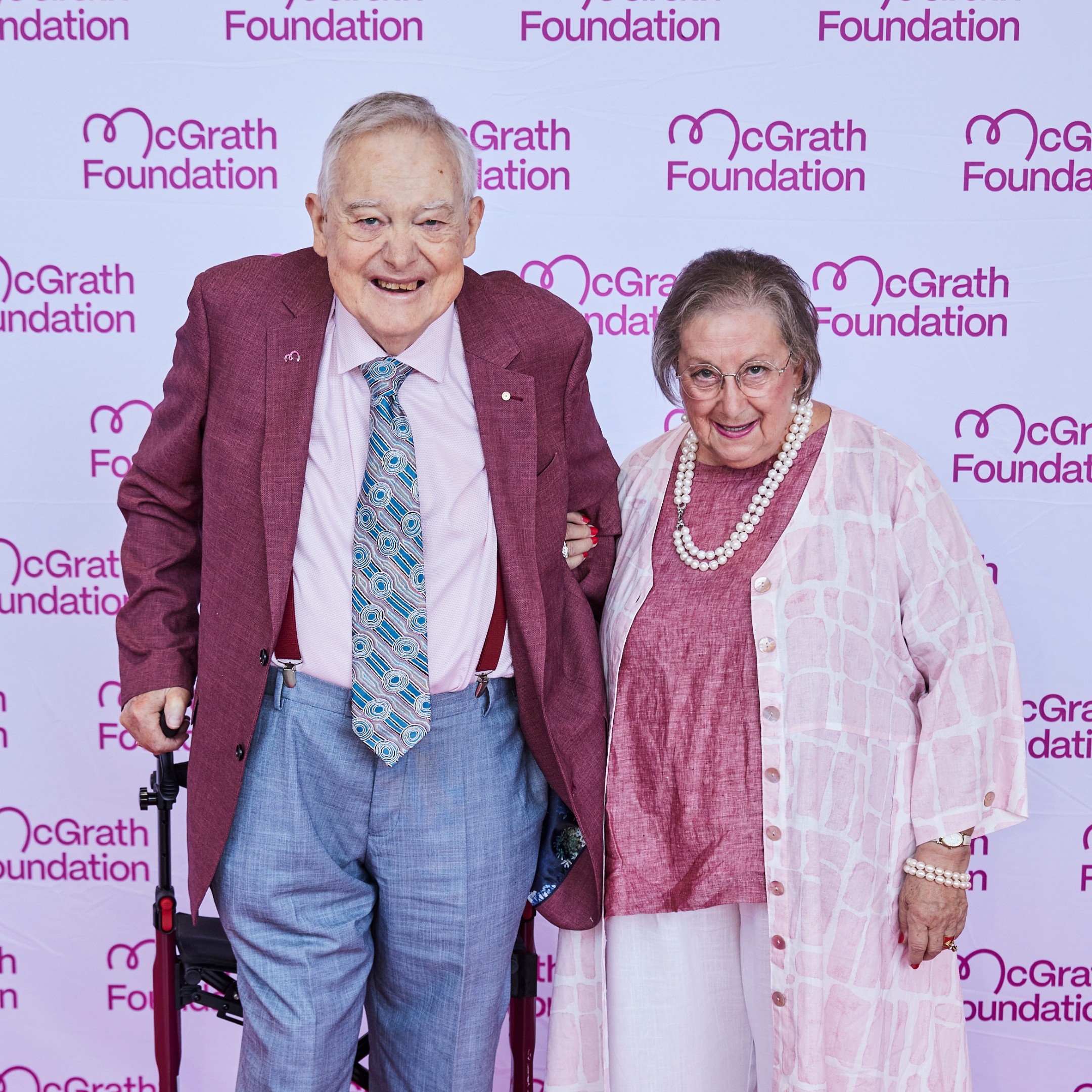
For Sharon and Graham, giving is simply part of who they are. Inspired by fairness, service and the belief that everyone deserves access to free, expert cancer care, their regular support helps ensure McGrath Cancer Care Nurses can be there when families need them most.

Pink Stumps Day saw local cricket clubs across Manly Warringah swap their whites for pink and rally behind a shared cause. With the support of ambassador Sam Konstas, the day proved the power of community-led action in supporting people facing cancer.
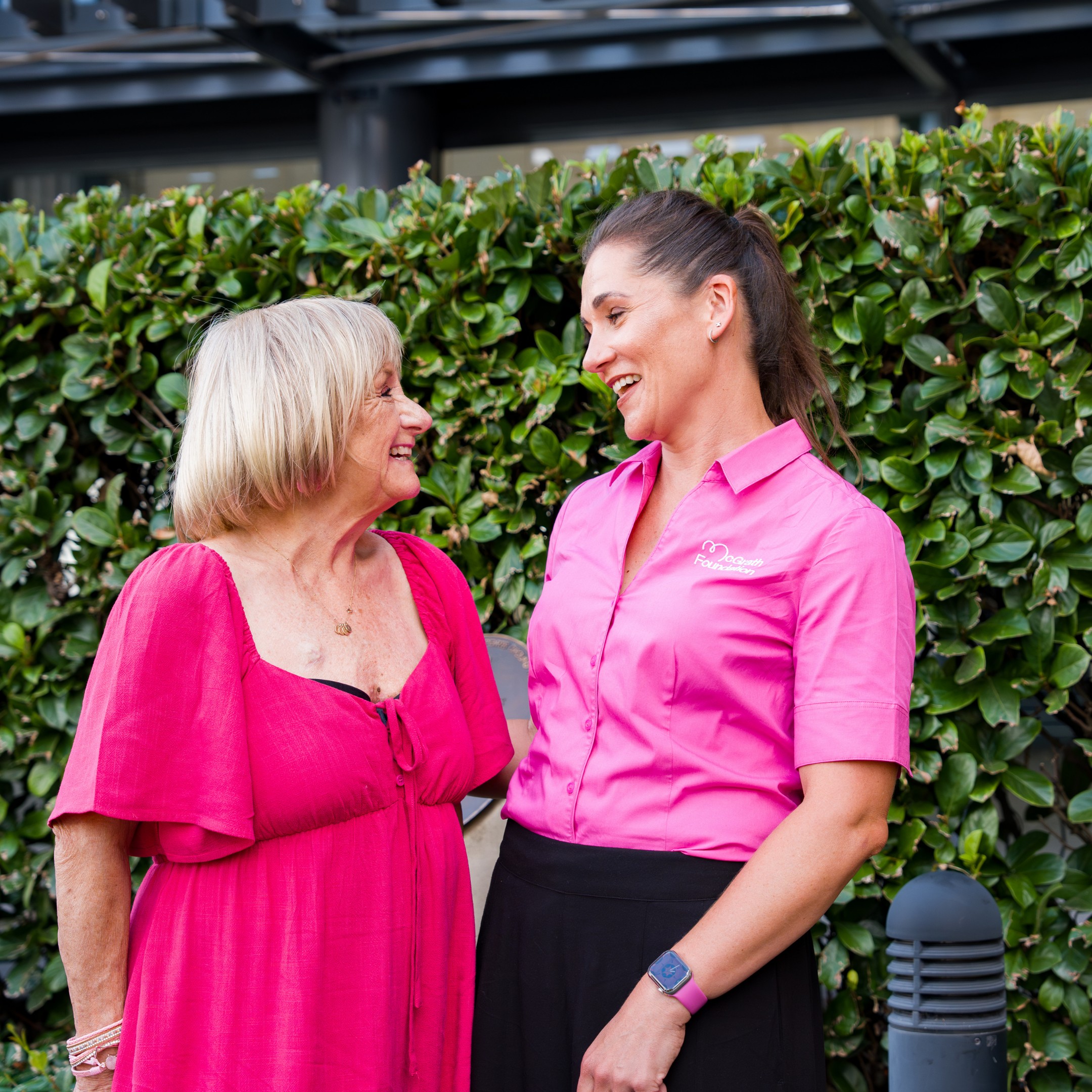
When Maureen was diagnosed with pancreatic cancer, her world changed overnight. With the support of her McGrath Cancer Care Nurses, she faced treatment with honesty, humour and the reassurance that she was not alone.
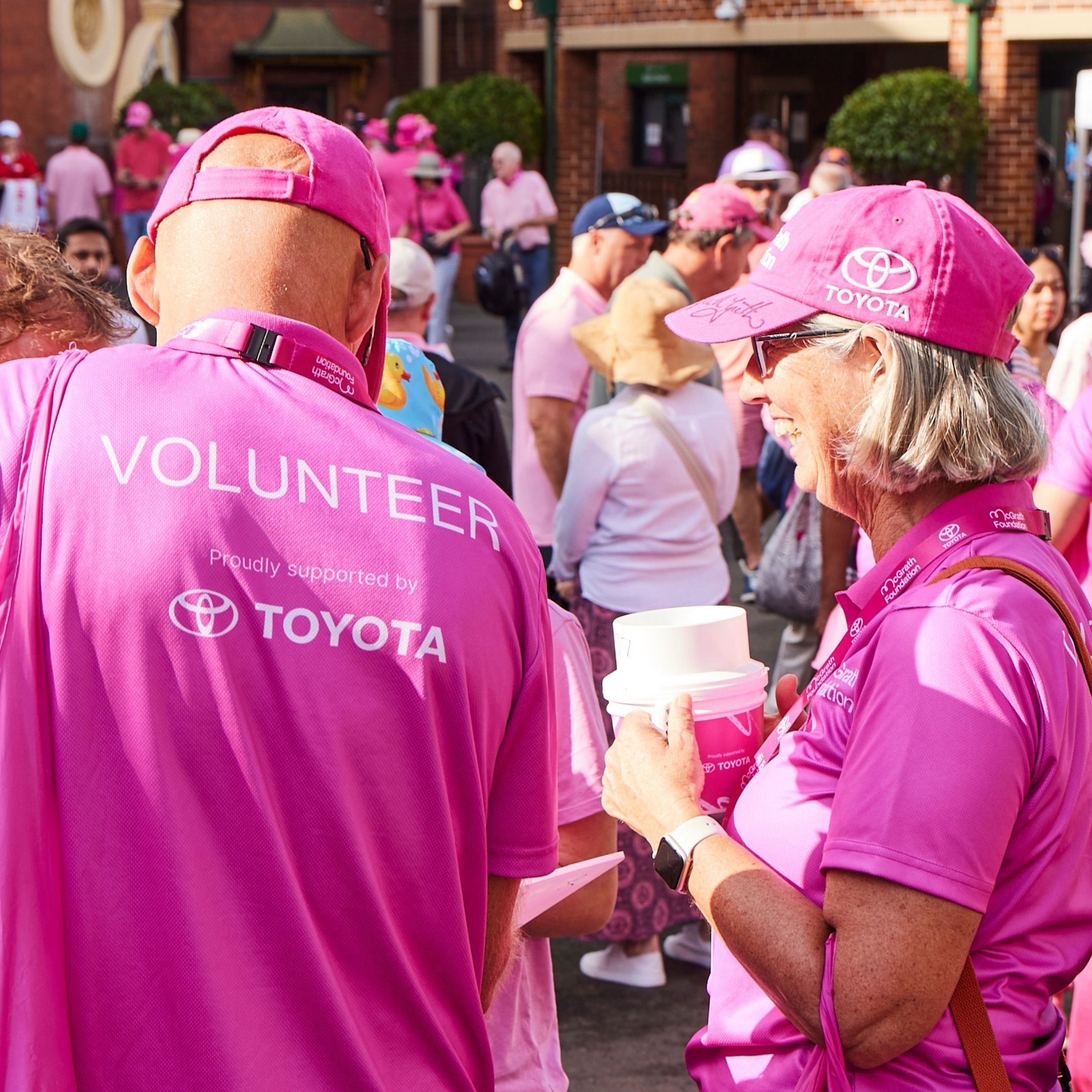
With Toyota proudly backing the volunteer program, more than 600 Pink Army volunteers helped transform the Pink Test into a sea of pink, raising vital funds to support McGrath Cancer Care Nurses.

The 18th NRMA Insurance Pink Test united Australia, raising an extraordinary $12 million to help ensure everyone can access free, expert cancer nursing care.